Category: Faith In Action

Christian Affirmations are positive, faith-based statements rooted in Scripture that help believers align their thoughts with God’s truth. These affirmations are designed to reinforce one’s identity in Christ, strengthen faith, and encourage a mindset of hope, peace, and victory in daily life. By regularly speaking and meditating on these affirmations, believers can renew their minds, overcome negative thinking, and grow in their relationship with God.

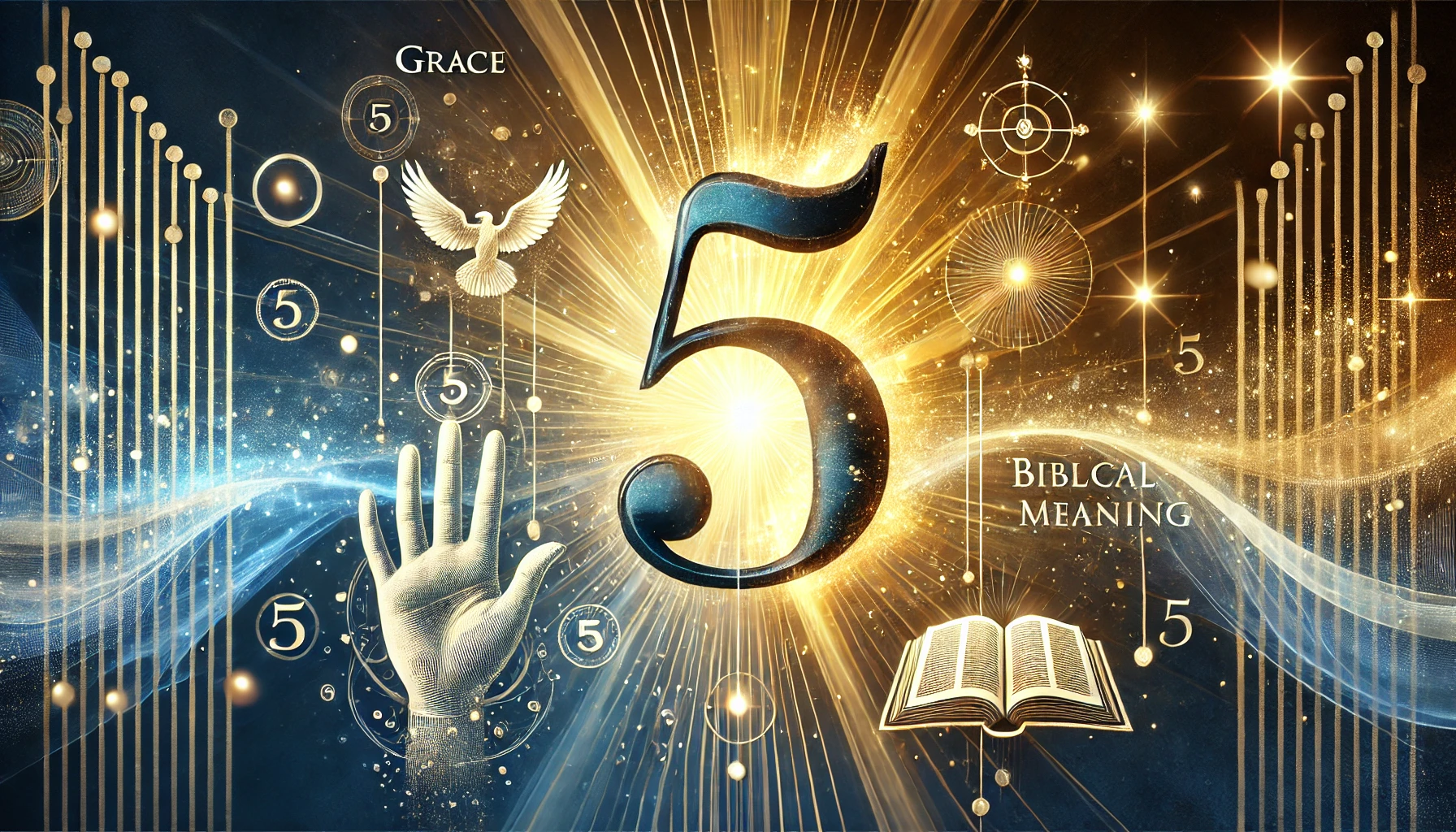
  • Biblical Meaning of #5

    Biblical Meaning of #5

    The number 5 in the Bible is rich in symbolism, often associated with God’s grace, goodness, favor, and the power of His divine plan. The number 5 appears frequently throughout Scripture, representing completeness in God’s dealings with humanity and His provision for His people. Let’s explore these themes in greater detail:

    1. Grace and God’s Favor

    • Five Offerings in the Old Testament: In the Old Testament, God established five main types of offerings to be made by the Israelites—burnt offerings, grain offerings, peace offerings, sin offerings, and trespass offerings (Leviticus 1-7). These offerings were designed to atone for sin, express gratitude, and seek peace with God. The number 5, therefore, symbolizes God’s grace in providing a means for His people to maintain a relationship with Him, despite their shortcomings.
    • The Pentateuch: The first five books of the Bible—Genesis, Exodus, Leviticus, Numbers, and Deuteronomy—are collectively known as the Pentateuch. These books form the foundation of God’s covenant with Israel and contain the laws and teachings that guided the nation. The number 5 in this context represents the grace of God in giving His people a comprehensive guide for living in harmony with Him and with one another.

    2. Provision and Abundance

    • Five Loaves and Two Fish: One of the most famous miracles in the New Testament is the feeding of the 5,000, where Jesus uses five loaves of bread and two fish to feed a large crowd (Matthew 14:17-21). This miracle highlights God’s provision and abundance, demonstrating that even a small amount, when blessed by God, can satisfy the needs of many. The number 5 here represents God’s grace in providing more than enough to meet our physical and spiritual needs.
    • Five Stones of David: When David prepared to face Goliath, he chose five smooth stones from a stream (1 Samuel 17:40). This act of faith, combined with God’s grace, led to David’s victory over the giant. The number 5 in this context symbolizes God’s favor and the divine assistance given to those who trust in Him. It also represents God’s provision for victory in seemingly impossible situations.

    3. Human Weakness and God’s Strength

    • The Five Senses: The number 5 is often associated with humanity’s physical experience of the world, represented by the five senses—sight, hearing, taste, smell, and touch. These senses allow humans to interact with the world around them, but they also highlight human limitations. The number 5, therefore, symbolizes the contrast between human weakness and God’s strength, as well as the grace that God provides to overcome these limitations.
    • Five-fold Ministry: In Ephesians 4:11, Paul outlines the five-fold ministry of the Church—apostles, prophets, evangelists, pastors, and teachers. These roles are given by Christ to equip the saints and build up the body of Christ. The number 5 in this context represents the completeness and sufficiency of God’s provision for the Church, ensuring that it has all the necessary gifts to fulfill its mission on earth.

    4. Divine Protection

    • The Tabernacle and the Number 5: The design of the Tabernacle, as described in Exodus, features the number 5 prominently. The Tabernacle’s structure includes multiples of five in its measurements and components (Exodus 26-27). For example, the Tabernacle’s curtains were five cubits long, and the altar was five cubits wide. The number 5 here symbolizes God’s grace and protection over His people, as the Tabernacle was the dwelling place of God’s presence among the Israelites. It also represents the divine order and the completeness of God’s plan for worship.
    • The Armor of God: In Ephesians 6:10-18, Paul describes the armor of God, which believers are to “put on” to stand against the schemes of the devil. The armor consists of five pieces: the belt of truth, the breastplate of righteousness, the shoes of the gospel of peace, the shield of faith, and the helmet of salvation. The number 5 in this context symbolizes God’s grace in providing complete spiritual protection for believers, enabling them to withstand spiritual attacks and remain firm in their faith.
    Grace

    5. Redemption and Deliverance

    • Five Kings Defeated by Joshua: In Joshua 10:16-27, Joshua and the Israelites defeat five Amorite kings who had attacked Gibeon. This victory, achieved through God’s intervention, symbolizes God’s power to deliver His people from their enemies. The number 5 here represents God’s grace in granting victory and deliverance to His people, reinforcing the theme of divine protection and favor.
    • The Five Books of the Psalms: The book of Psalms is divided into five sections, each ending with a doxology (a short hymn of praise). These five divisions reflect the full range of human emotion and experience, from despair to exaltation, and God’s response to each situation. The number 5 in the Psalms represents the completeness of God’s grace in every aspect of life, offering hope, comfort, and deliverance in times of need.

    6. God’s Covenant with Humanity

    • The Covenant with Abraham: In Genesis 15, God establishes a covenant with Abraham, promising him numerous descendants and the land of Canaan. As part of this covenant, God instructs Abraham to offer five types of animals—a heifer, a goat, a ram, a dove, and a pigeon—as a sacrifice. The number 5 in this covenant symbolizes God’s grace in choosing Abraham and his descendants to be His people, and the completeness of His promises to them.
    • The Five Cities of Refuge: In the Old Testament, God commands the Israelites to set aside cities of refuge where individuals who had accidentally killed someone could flee for safety (Numbers 35). There were initially six cities of refuge, but five of them were on the west side of the Jordan River, accessible to the majority of the tribes. The number 5 in this context represents God’s grace in providing a place of protection and mercy, offering a way to escape judgment and find redemption.

    7. Spiritual Growth and Maturity

    • The Five Virgins: In the parable of the ten virgins (Matthew 25:1-13), Jesus describes five wise and five foolish virgins awaiting the arrival of the bridegroom. The wise virgins were prepared with extra oil for their lamps, while the foolish ones were not. The number 5 in this parable symbolizes the distinction between those who are spiritually prepared and those who are not, highlighting the importance of readiness and vigilance in the Christian life. It also underscores the grace given to those who remain faithful and alert.
    • Five Steps of Spiritual Growth: The Bible outlines various stages of spiritual growth, which can be symbolized by the number 5. For instance, the process of sanctification involves five key steps: hearing the Word of God, believing in Christ, repenting of sins, being baptized, and living a life of obedience. These five steps represent the completeness of the journey of faith, from initial belief to mature discipleship, all made possible through God’s grace.

    8. Divine Revelation and Prophecy

    • Five Visions of Zechariah: The prophet Zechariah received five key visions that revealed God’s plans for Israel’s future and the coming of the Messiah (Zechariah 1-6). These visions include the vision of the horses, the vision of the horns and craftsmen, the vision of the measuring line, the vision of Joshua the high priest, and the vision of the golden lampstand. The number 5 in these visions represents the fullness of God’s revelation to His people and His grace in revealing His plans and purposes.
    • Five Fulfillments of Prophecy: The New Testament records numerous fulfillments of Old Testament prophecy, many of which can be grouped into five key categories: prophecies about Jesus’ birth, His ministry, His death, His resurrection, and His second coming. The number 5 here symbolizes the completeness of God’s prophetic word and the grace extended to humanity through the fulfillment of His promises.

    9. Healing and Restoration

    • The Pool of Bethesda: In John 5:2, the Pool of Bethesda, where Jesus healed a paralyzed man, is described as having five porches. The number 5 in this context represents God’s grace in providing healing and restoration to those in need. The healing of the paralyzed man at the Pool of Bethesda is a powerful example of God’s willingness to extend grace and mercy to those who seek Him, restoring them to wholeness.
    • Five Areas of Healing: The Bible speaks of healing in five key areas of human life: physical, emotional, mental, relational, and spiritual. These five areas represent the completeness of God’s healing power, which extends to every aspect of a person’s being. The number 5, therefore, symbolizes the fullness of God’s grace in bringing about complete restoration and wholeness in the lives of His people.

    10. Divine Mercy and Compassion

    • The Five Compassionate Acts of Jesus: Throughout His ministry, Jesus performed numerous acts of compassion, many of which can be grouped into five categories: healing the sick, feeding the hungry, raising the dead, casting out demons, and teaching the multitudes. The number 5 in these acts represents the completeness of Jesus’ compassion and His grace in addressing the diverse needs of humanity.
    • The Five Virtues of Compassion: The Bible highlights five key virtues associated with compassion: kindness, humility, gentleness, patience, and love (Colossians 3:12-14). These virtues represent the fullness of God’s character and the grace He extends to His people. The number 5, in this context, symbolizes the complete expression of divine mercy and compassion, calling believers to embody these virtues in their relationships with others.

    In summary, the number 5 in the Bible is deeply symbolic, representing God’s grace, goodness, and favor. It signifies the completeness of God’s provision for His people, from physical sustenance to spiritual protection, and highlights the contrast between human weakness and divine strength. The number 5 underscores the abundance of God’s blessings, the fullness of His redemption, and the sufficiency of His grace in every aspect of life. Through this number, the Bible communicates the idea of God’s unmerited favor and His ongoing care and provision for all creation


  • Day 3: Identifying Spending Patterns

    Day 3: Identifying Spending Patterns

    Understanding your spending habits is key to making informed financial decisions.

    Scripture Reflection: Proverbs 27:23: “Be sure you know the condition of your flocks, give careful attention to your herds.

    Spending Analysis:

    • Review your expenses from the past month.
    • Identify patterns or habits that don’t align with your financial goals or values.

    Prayer: “Father, reveal any areas where I am not being a good steward of Your resources. Help me to make changes that honor You. Amen.”

    Reflection Journal: Reflect on what your spending habits reveal about your priorities.

    Action Step: Identify one spending habit to change or improve.

  • Day 2: Creating a Budget

    Day 2: Creating a Budget

    Today, we’ll focus on creating a budget—a critical tool for financial stewardship. A budget helps you manage what God has given you wisely.

    Scripture Reflection: Luke 16:10: “Whoever can be trusted with very little can also be trusted with much.”

    Budgeting Exercise:

    • List your income sources.
    • Track and categorize your expenses.
    • Identify areas to adjust for better financial alignment with your goals.

    Prayer: “Lord, guide me in managing the resources You’ve entrusted to me. Help me to use them wisely and for Your glory. Amen.”

    Reflection Journal: Write about your feelings and discoveries as you set up your budget. Reflect on any surprises or challenges.

    Action Step: Commit to tracking your expenses daily for the next week.

  • 25 Affirmations : The Joy of Generosity: Finding Fulfillment in Giving

    25 Affirmations : The Joy of Generosity: Finding Fulfillment in Giving

    1. I find joy in giving and am fulfilled by living generously.
    2. “God has blessed me abundantly, and I am eager to bless others.
    3. “My generosity reflects God’s love and brings me closer to Him.”
    4. “I give freely, knowing that God will meet all my needs.”
    5. “Generosity is a core value in my life, and I embrace it fully.”
    6. “I find contentment in sharing my time, talents, and resources with others.”
    7. “God loves a cheerful giver, and I give with a joyful heart.”
    8. “I trust that God will multiply the impact of my giving.”
    9. “My life is enriched by the relationships I build through acts of generosity.”
    10. “I am blessed to be a blessing to others.”
    11. “I see opportunities to give everywhere, and I am quick to respond.”
    12. “I invest in God’s kingdom, knowing that true riches are found in Him.”
    13. “My generosity brings light and hope to those in need.”
    14. “I give from a place of love and gratitude for all that God has given me.”
    15. “I am a steward of God’s resources, and I use them to glorify Him.”
    16. “My heart is open to the needs of others, and I am ready to help.”
    17. “I experience God’s peace and joy when I give generously.”
    18. “I trust that as I give, God will continue to provide for me abundantly.”
    19. “My generosity is an act of worship, honoring God with my resources.”
    20. “I live with an open hand, knowing that everything I have belongs to God.”
    21. “I find purpose and fulfillment in using my gifts to serve others.”
    22. “Generosity is a lifestyle that brings true happiness and contentment.”
    23. “I am grateful for the privilege of giving and for the joy it brings.”
    24. “I am a vessel of God’s love, spreading kindness and generosity wherever I go.”
    25. “My life is a testament to God’s goodness, and I joyfully share His blessings with others.”

    Closing Prayer:

    “Heavenly Father, we come before You with hearts full of gratitude for the many blessings You have poured into our lives. We acknowledge that everything we have comes from You, and we are grateful for Your abundant generosity. Lord, we ask that You cultivate in us a heart of generosity, one that reflects Your love and grace to those around us.

    Help us to live with open hands, ready to share our time, talents, and resources with others. Guide us in seeking opportunities to bless those in need and to invest in Your kingdom. Fill us with the joy and fulfillment that come from living generously, and use our gifts to make a lasting impact on the lives of others.

    May our acts of generosity be a testimony of Your goodness and faithfulness. Give us the courage to give freely, trusting that You will continue to provide for our needs. And as we give, may we experience the true riches that come from living a life that honors You.

    Thank You, Lord, for the privilege of giving and for the joy it brings. We pray that our lives would be a reflection of Your love, and that through our generosity, others would come to know You more deeply. In Jesus’ name, we pray. Amen.”

  • 25 Affirmations : Trusting God in Your Financial Journey – Overcoming Fear and Anxiety

    25 Affirmations : Trusting God in Your Financial Journey – Overcoming Fear and Anxiety

    1. “I trust in God’s provision for all my financial needs.
    2. “God’s peace guards my heart and mind in times of financial stress.
    3. “I release my financial worries to God and rest in His promises.”
    4. “My faith in God is greater than my fear of financial uncertainty.”
    5. “I make financial decisions with confidence, knowing God is with me.”
    6. “I trust that God’s plans for my finances are good and perfect.”
    7. “I am free from the anxiety of money, trusting God to guide me.”
    8. “God is my provider, and I rely on His wisdom in financial matters.”
    9. “I choose faith over fear in my financial journey.”
    10. “God’s Word is my guide, and I trust Him to lead me financially.”
    11. “I find peace in knowing that God cares for all my needs.”
    12. “I am confident that God will supply all my needs according to His riches.”
    13. “I face financial challenges with courage, trusting in God’s provision.”
    14. “I choose to trust God with my finances and reject the lies of fear.”
    15. “My security is in God, not in my bank account.”
    16. “I surrender my financial future to God and trust in His perfect plan.”
    17. “I am content with what I have, knowing God will provide more when needed.”
    18. “I trust God to open doors of opportunity in my financial life.”
    19. “God’s peace fills my heart as I trust Him with my finances.”
    20. “I reject financial anxiety and embrace God’s peace in all circumstances.”
    21. “I trust in God’s timing and provision for every financial need.”
    22. “I rely on God’s wisdom in every financial decision I make.”
    23. “I am free from the fear of lack, trusting God to supply abundantly.”
    24. “I choose to live in the peace of God, free from financial stress.”
    25. “God’s faithfulness in the past gives me confidence for my financial future.”

    Closing Prayer:

    “Heavenly Father, we come before You today, acknowledging that You are our provider and source of all things. We thank You for Your unwavering faithfulness and Your promises that assure us of Your care. Lord, we ask for Your peace to fill our hearts as we navigate our financial journey. Help us to trust in Your provision and to release our fears and anxieties to You.

    Teach us to rely on Your wisdom in every financial decision we make. Guide our steps as we seek to honor You with our resources. Give us the courage to face financial challenges with faith, knowing that You are with us and that Your plans for us are good.

    Lord, we surrender our financial worries to You. Replace our fears with confidence in Your ability to provide. May we experience the freedom that comes from trusting fully in You, and may our lives reflect Your peace and purpose.

    We thank You for Your love, Your guidance, and Your provision. In Jesus’ name, we pray. Amen.”

  • Introduction to the 30-Day Financial Challenge

    Introduction to the 30-Day Financial Challenge

    Welcome to the 30-Day Financial Challenge, where we journey together to align our financial practices with God’s Word. Over the next month, you’ll explore biblical principles of stewardship, trust, generosity, and financial wisdom.

    Proverbs 3:9-10 reminds us to “Honor the Lord with your wealth,” while Matthew 6:21 teaches, “For where your treasure is, there your heart will be also.” This challenge is designed to help you steward your resources faithfully, setting a strong foundation for a life that honors God in every financial decision.

    Goals for the Challenge:

    • Develop a deeper understanding of biblical financial principles.
    • Create and implement a personalized financial plan rooted in faith.
    • Strengthen your trust in God as your ultimate provider.
    • Cultivate a generous and content heart.

    As you embark on this journey, remember that small, faithful steps lead to significant spiritual and financial growth. Let’s commit to this challenge, inviting God to guide us in every decision, and watch how He transforms our approach to finances.

    Reflection and Prayer:

    Before you begin, take a moment to reflect on Jeremiah 29:11: “For I know the plans I have for you, declares the Lord, plans for welfare and not for evil, to give you a future and a hope.” Pray for wisdom, guidance, and the courage to take each step with faith and trust in God’s provision.

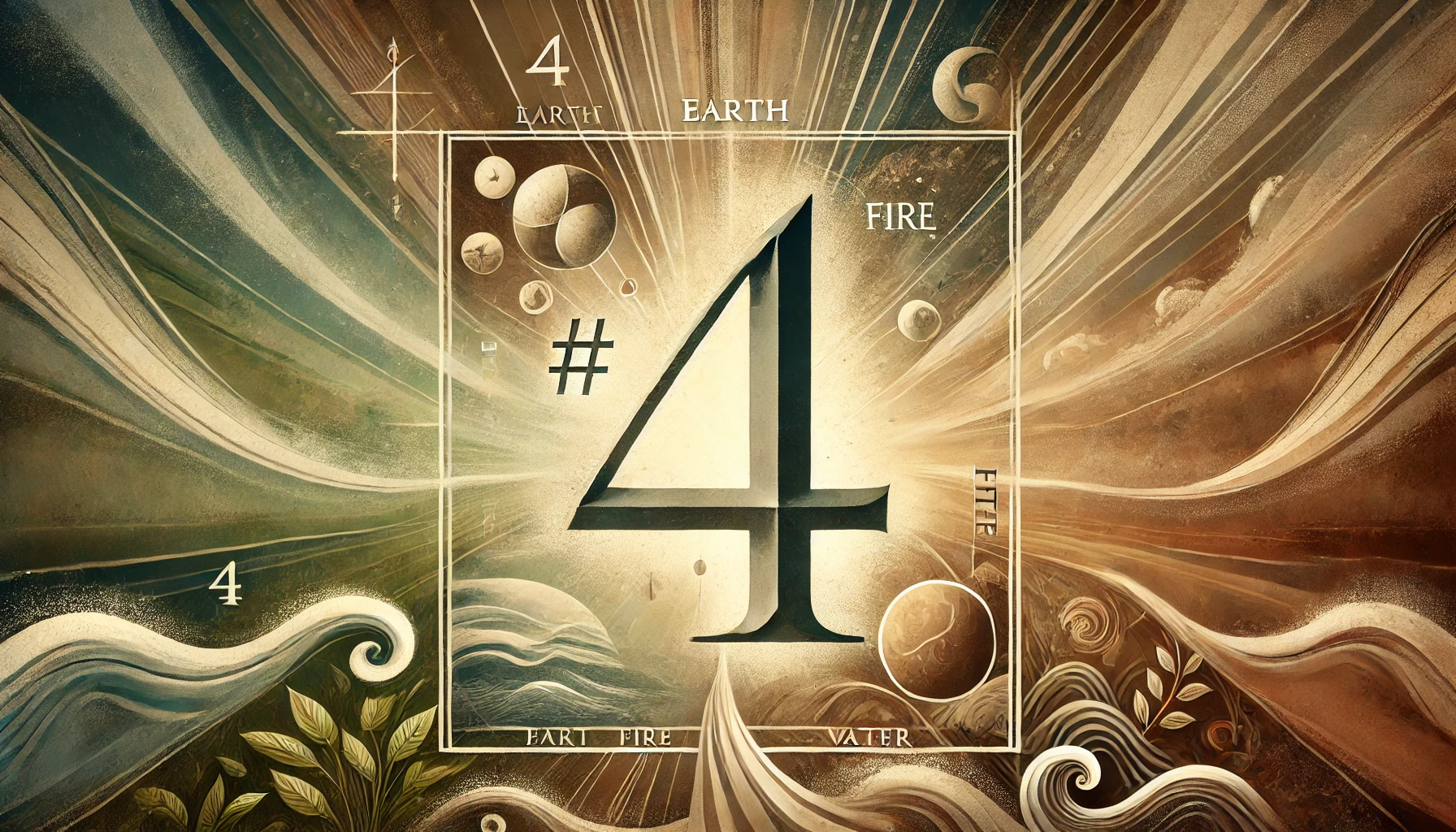
  • Biblical Meaning of #4

    Biblical Meaning of #4

    The number 4 in the Bible is rich in symbolism and is often associated with themes of creation, the earth, completeness, and universality. It represents the physical world, the order of creation, and the fullness of God’s creative work. Let’s explore these themes in greater detail:

    1. Creation and the Physical World

    • The Four Corners of the Earth: The number 4 frequently symbolizes the physical creation and the earth itself. In various biblical passages, the “four corners of the earth” are mentioned, representing the entirety of the world and all directions—north, south, east, and west (Isaiah 11:12; Revelation 7:1). This expression underscores the concept of the earth’s totality and the vastness of God’s creation, encompassing all nations and peoples.
    • The Four Elements: In the ancient world, the number 4 was often associated with the four basic elements of creation: earth, air, fire, and water. These elements were believed to make up the physical world, and their harmonious interaction was seen as essential for the sustenance of life. While the Bible does not explicitly reference these four elements in this manner, the number 4 is nonetheless tied to the physical components of the created order.

    2. Completeness and Universality

    • The Four Seasons: The number 4 is also connected to the cycle of seasons—spring, summer, autumn, and winter. These four seasons represent the completeness of time and the cyclical nature of God’s creation. The changing seasons symbolize the order and predictability that God has established in the world, as well as the full range of human experience.
    • Universality and Inclusivity: The number 4 can also signify universality and the inclusion of all creation in God’s plan. For example, in the vision of the four living creatures in Revelation 4:6-8, each creature represents a different aspect of creation—a lion (wild animals), an ox (domestic animals), a man (humanity), and an eagle (birds). These four creatures, standing around God’s throne, symbolize the entire created order, all of which is subject to God’s authority and part of His universal kingdom.

    3. Order and Structure

    • The Four Gospels: In the New Testament, the four Gospels—Matthew, Mark, Luke, and John—provide a complete and ordered account of the life, ministry, death, and resurrection of Jesus Christ. Each Gospel presents a unique perspective, yet together they form a comprehensive and harmonious portrayal of Christ’s mission on earth. The number 4, in this context, symbolizes the completeness and order of the Gospel message as it covers every aspect of Jesus’ life and teachings.
    • The Four Pillars: The Bible often uses the number 4 to describe structural elements that represent stability and strength. In Solomon’s temple, there were four pillars that supported the portico (1 Kings 7:15). These pillars were foundational to the structure, symbolizing the strength and stability of God’s house. Similarly, the number 4 can represent the foundational truths that support the faith and practice of believers.

    4. God’s Creative Works

    • Four Rivers of Eden: In the book of Genesis, the Garden of Eden is described as being watered by a river that divides into four headwaters—Pishon, Gihon, Tigris, and Euphrates (Genesis 2:10-14). These four rivers represent the life-giving abundance of God’s creation, flowing out to nourish the earth. The number 4 here symbolizes the completeness and sufficiency of God’s provision for His creation.
    • Four Directions of the Wind: In the Bible, the four winds are often mentioned as coming from the four directions of the earth (Jeremiah 49:36; Ezekiel 37:9; Revelation 7:1). These winds are seen as agents of God’s power and judgment, capable of bringing blessings or calamities upon the earth. The number 4, in this context, signifies the comprehensive nature of God’s sovereignty over the entire world.

    5. Judgment and Authority

    • Four Horsemen of the Apocalypse: In the book of Revelation, the four horsemen of the apocalypse symbolize God’s judgment upon the earth (Revelation 6:1-8). Each horseman represents a different aspect of divine judgment—conquest, war, famine, and death. The number 4 here is associated with the completeness of God’s authority to judge the world and bring about the fulfillment of His divine plan.
    • Four Beasts in Daniel’s Vision: In the book of Daniel, the prophet sees a vision of four beasts, each representing a different kingdom that will rise and fall before the establishment of God’s eternal kingdom (Daniel 7:3-7). These four beasts symbolize the totality of human power and authority that ultimately gives way to God’s sovereign rule. The number 4 in this vision highlights the completeness of God’s control over history and the destiny of nations.

    6. Spiritual and Moral Foundation

    • Four Points of the Cross: The number 4 is often associated with the cross of Christ, which has four points extending in four directions. This imagery represents the universal reach of Christ’s sacrifice, extending to all corners of the earth and offering salvation to all humanity. The cross’s four points also symbolize the completeness of God’s redemptive work, touching every aspect of human life.
    • Four Dimensions of God’s Love: In Ephesians 3:18, Paul prays that believers may “grasp how wide and long and high and deep is the love of Christ.” These four dimensions symbolize the fullness and completeness of God’s love, which surpasses all understanding. The number 4 here represents the boundless nature of God’s love and its ability to reach every person, no matter their circumstances.

    7. Prophetic Significance

    • Four Kingdoms in Nebuchadnezzar’s Dream: In the book of Daniel, King Nebuchadnezzar dreams of a statue made of four different materials, each representing a successive kingdom (Daniel 2:31-45). The number 4 here represents the completeness of human history and the progression of world empires, leading to the eventual establishment of God’s eternal kingdom. This prophetic vision underscores God’s sovereignty over the rise and fall of nations.
    • Four Living Creatures in Ezekiel’s Vision: In Ezekiel’s vision, he sees four living creatures, each with four faces and four wings (Ezekiel 1:5-10). These creatures represent God’s omnipresence and His authority over all creation. The number 4, in this vision, symbolizes the completeness of God’s rule and the universal reach of His power.

    8. God’s Providence and Provision

    • Four-fold Provision: The number 4 is often associated with God’s provision for His people. In the wilderness, God provided the Israelites with manna for four decades, sustaining them throughout their journey to the Promised Land (Exodus 16:35). This fourfold provision represents the completeness of God’s care and His faithfulness in meeting the needs of His people.
    • Four-fold Redemption: In Exodus 6:6-7, God promises the Israelites a four-fold redemption: “I will bring you out…I will rescue you…I will redeem you…I will take you as My people.” These four promises signify the complete and total deliverance that God offers to His people, highlighting the comprehensive nature of His salvation plan.

    9. Completeness in Creation

    • Fourfold Witness: The Bible sometimes uses the number 4 to emphasize the completeness of a testimony or witness. For example, in the Gospels, there are four women specifically mentioned at the cross of Jesus (John 19:25). This fourfold witness underscores the completeness of the testimony to Christ’s crucifixion, ensuring that it is fully attested and remembered.
    • Four Living Beings Around God’s Throne: In the book of Revelation, the four living beings around God’s throne represent the entirety of creation worshiping God (Revelation 4:6-8). These beings—each with a different appearance—symbolize all of God’s creation giving Him glory, honor, and praise. The number 4, therefore, is a symbol of the completeness and universality of worship that is due to God.

    10. Moral Integrity and Law

    • Four Tenets of Moral Law: The number 4 can also be associated with moral integrity and the law. In the Ten Commandments, the first four commandments deal with our relationship with God (Exodus 20:3-11), while the remaining six address our relationships with others. The four commandments focused on God emphasize the completeness of our duty to Him—worshiping no other gods, avoiding idolatry, honoring God’s name, and keeping the Sabbath holy.
    • Four Virtues of a Righteous Life: The Bible often presents lists of four virtues or qualities that characterize a righteous life. For example, in Philippians 4:8, Paul exhorts believers to focus on “whatever is true, whatever is noble, whatever is right, whatever is pure.” These four virtues represent the completeness of a life lived in accordance with God’s will, reflecting moral integrity and spiritual wholeness.

    11. Symbol of Universality

    • Four Corners of the Earth: The phrase “four corners of the earth” is used metaphorically in the Bible to represent the entire world. This symbolism signifies the universality of God’s sovereignty and the global reach of His power and authority. It also reflects the inclusion of all peoples in God’s redemptive plan, as His love and salvation extend to every corner of the globe.
    • Four Directions of the Wind: The Bible frequently mentions the four winds—north, south, east, and west—as symbols of God’s control over the natural world (Jeremiah 49:36; Matthew 24:31). These winds represent the farthest reaches of the earth and the comprehensive nature of God’s authority over creation. The number 4, in this context, signifies the universality of God’s influence and His ability to direct the course of history.

    In summary, the number 4 in the Bible is deeply symbolic, representing the earth, creation, completeness, and universality. It signifies the totality of God’s creation, the fullness of His provision, and the completeness of His plan for the world. The number 4 underscores God’s sovereignty over the physical and moral order of the universe, as well as His comprehensive care for all creation. Through this number, the Bible communicates the idea of divine order, stability, and the inclusion of all people and nations in God’s eternal plan.

    4o

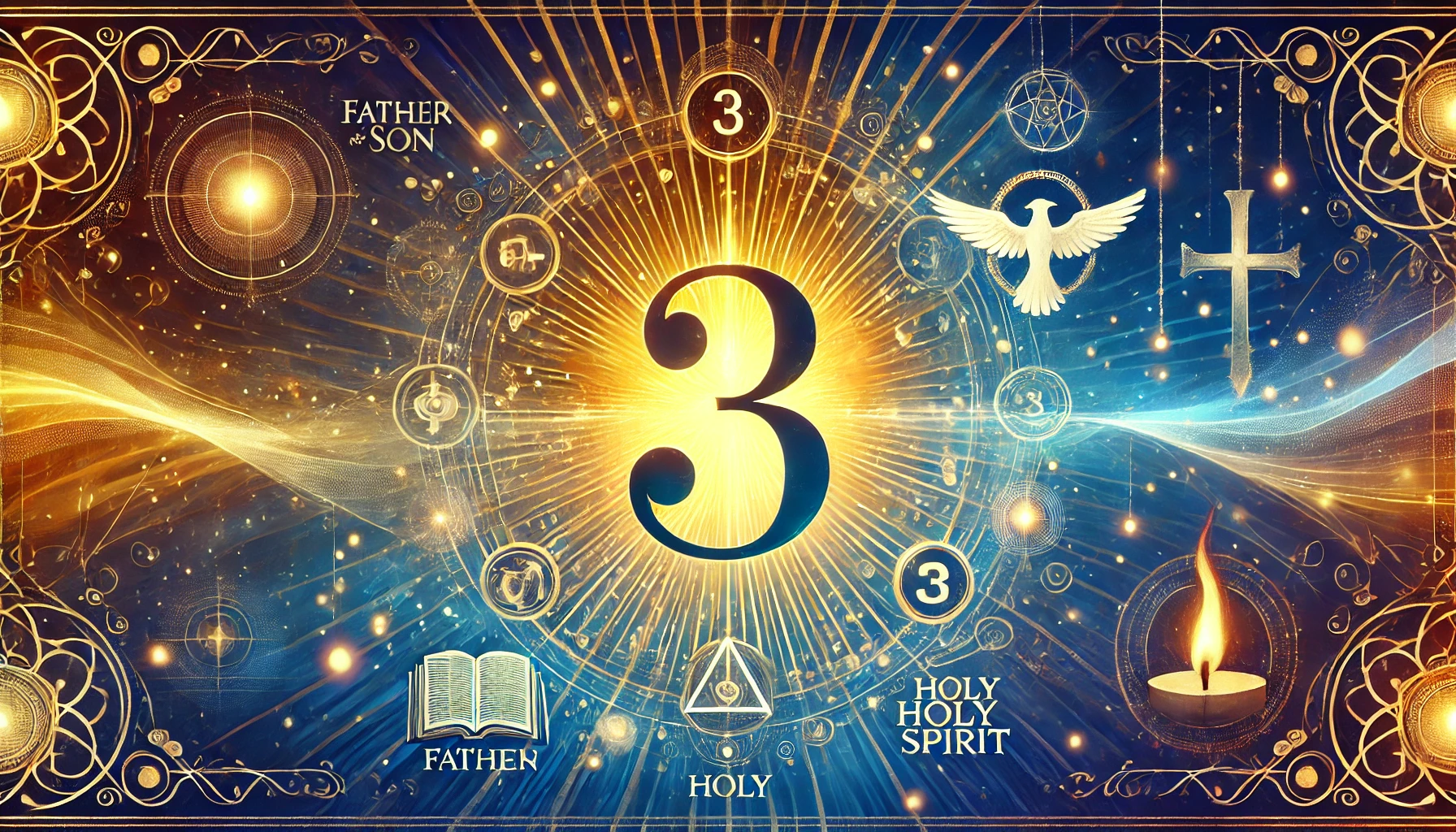
  • Biblical Meaning of #3

    Biblical Meaning of #3

    The number 3 holds deep spiritual and symbolic significance in the Bible, often associated with concepts of divine completeness, perfection, and the fullness of God’s revelation. The number 3 is seen throughout Scripture in various contexts, each illustrating its profound meaning. Let’s explore these themes in greater detail:

    1. Divine Completeness and Perfection

    • Creation and Divine Order: The number 3 often signifies divine completeness and perfection. This is evident in the structure of the world as created by God. On the third day of creation, God completed the foundational elements of the earth—dry land, seas, and vegetation (Genesis 1:9-13). This act not only completed the basic environment necessary for life but also marked the first instance where God saw that His creation was “good” (Genesis 1:12), signifying divine approval and completeness.
    • Resurrection and New Life: The number 3 is also associated with the concept of resurrection and new life. Jesus Christ, after being crucified, rose from the dead on the third day (1 Corinthians 15:4). This event is central to Christian faith, symbolizing victory over sin and death and the completeness of God’s redemptive plan for humanity. The resurrection on the third day underscores the idea of divine completeness in the work of salvation.

    2. The Trinity: Father, Son, and Holy Spirit

    • The Triune God: One of the most significant meanings of the number 3 in the Bible is its association with the Trinity—God the Father, God the Son, and God the Holy Spirit. The doctrine of the Trinity is fundamental to Christian theology, expressing the belief in one God in three persons. This triune nature of God is a perfect example of divine completeness and harmony. Each person of the Trinity plays a distinct yet unified role in creation, redemption, and sanctification.
    • The Threefold Nature of God: Throughout Scripture, God reveals Himself in three distinct ways, which are essential to understanding His nature. The Father is the Creator, the Son is the Redeemer, and the Holy Spirit is the Sustainer. Together, they form a complete and perfect picture of God’s interaction with the world. The number 3, therefore, represents the fullness of God’s revelation to humanity.

    3. Significance in Biblical Events

    • Three Patriarchs: The significance of the number 3 is also seen in the lives of the three patriarchs of Israel—Abraham, Isaac, and Jacob (Exodus 3:6). These three figures represent the foundational lineage through which God’s covenant promises were fulfilled. Their stories form the backbone of the Old Testament narrative and illustrate the unfolding of God’s plan through successive generations.
    • Jonah’s Three Days: Another notable instance of the number 3 is found in the story of Jonah, who spent three days and three nights in the belly of a great fish (Jonah 1:17). This period of three days represents a time of judgment and renewal, as Jonah emerged to fulfill God’s command to preach to the city of Nineveh. The three days in the fish’s belly symbolize a journey from death to life, judgment to mercy, and disobedience to obedience.

    4. Jesus’ Ministry and the Number 3

    • Threefold Temptation: During His time on earth, Jesus was tempted three times by Satan in the wilderness (Matthew 4:1-11). Each temptation represented a different aspect of human weakness—physical needs, spiritual pride, and worldly power. Jesus’ victory over these temptations demonstrates His divine authority and the completeness of His sinless nature, making the number 3 a symbol of spiritual triumph.
    • Threefold Declaration of Peter: Peter’s threefold denial of Jesus (Matthew 26:34) and his subsequent threefold affirmation of love for Christ (John 21:15-17) highlight the redemptive power of God’s grace. The number 3 here represents a complete cycle of failure, repentance, and restoration, underscoring the idea of spiritual renewal and the importance of confession and forgiveness.

    5. Judgment and Completion

    • Three Days of Darkness: In the Old Testament, the number 3 is also associated with judgment and the completion of God’s warnings. In the book of Exodus, God sent three days of darkness over Egypt as one of the plagues (Exodus 10:22). This act of judgment against Pharaoh’s hardened heart was a sign of God’s power and a precursor to the final deliverance of Israel. The three days of darkness signified the completeness of God’s judgment against Egypt before the Israelites’ liberation.
    • Three Woes in Revelation: In the book of Revelation, three woes are pronounced upon the inhabitants of the earth (Revelation 8:13). These woes represent the fullness of God’s judgment during the end times, marking the completion of His warnings and the impending finality of His wrath. The number 3 in this context highlights the severity and completeness of divine judgment.

    6. Resurrection and Life

    • Three Resurrections by Jesus: Jesus performed three notable resurrections during His ministry: the raising of Jairus’ daughter (Mark 5:22-43), the widow’s son at Nain (Luke 7:11-17), and Lazarus (John 11:1-44). Each of these miracles symbolizes the power of Jesus over death and foreshadows His own resurrection. The number 3, therefore, becomes a symbol of life, hope, and the complete victory over death.
    • Threefold Blessing: The number 3 is also evident in the Aaronic blessing given in Numbers 6:24-26, where the Lord’s blessing is invoked three times: “The Lord bless you and keep you; the Lord make His face shine upon you and be gracious to you; the Lord lift up His countenance upon you and give you peace.” This threefold blessing represents the fullness of God’s favor, grace, and peace toward His people.

    7. Threefold Holiness of God

    • Holy, Holy, Holy: In both the Old and New Testaments, the number 3 is associated with the declaration of God’s holiness. The seraphim in Isaiah 6:3 and the four living creatures in Revelation 4:8 both proclaim, “Holy, holy, holy is the Lord God Almighty.” The threefold repetition of “holy” emphasizes the absolute and complete holiness of God, setting Him apart from all creation. The number 3, therefore, is a symbol of God’s perfect and unchanging nature.

    8. Prophetic Significance

    • Prophets of Three Eras: The number 3 also has prophetic significance, representing different eras of God’s revelation. In the Old Testament, there are three major prophets—Isaiah, Jeremiah, and Ezekiel—who delivered God’s message to Israel. Their prophecies encompassed warnings of judgment, calls for repentance, and promises of future restoration, reflecting the completeness of God’s communication through His chosen messengers.
    • Three Angels’ Messages: In the book of Revelation, three angels are seen flying in midair, each delivering a critical message to the inhabitants of the earth (Revelation 14:6-12). These three messages form the final call to humanity before the end times, symbolizing the completeness and urgency of God’s final appeal to mankind.

    9. Spiritual Growth and Maturity

    • Three Stages of Spiritual Growth: The number 3 can also symbolize the stages of spiritual growth and maturity. Just as a person grows physically, they also grow spiritually in three stages: infancy, adolescence, and adulthood. Paul speaks of these stages in 1 Corinthians 13:11, where he reflects on his own spiritual journey: “When I was a child, I talked like a child, I thought like a child, I reasoned like a child. When I became a man, I put the ways of childhood behind me.” The number 3, therefore, represents the process of growing in faith and understanding, reaching the completeness of spiritual maturity.

    10. Symbol of Divine Presence and Revelation

    • God’s Revelation in Threes: God often reveals His presence and will in sets of three. For instance, when God called Samuel, He called him three times before Samuel recognized the voice of the Lord (1 Samuel 3:8-10). Similarly, in the New Testament, Paul experienced three major revelations during his ministry (2 Corinthians 12:2-4). These occurrences illustrate how the number 3 is linked to the manifestation of God’s presence and the complete unfolding of His will.
    • Theophanies: Throughout the Bible, God reveals Himself in powerful theophanies (visible manifestations of God) that often occur in groups of three. For example, God appeared to Abraham in the form of three men (Genesis 18:2), representing a complete and divine visitation. The number 3 in these instances underscores the fullness and significance of God’s revelation.

    In summary, the number 3 in the Bible is rich with symbolism, representing divine completeness, perfection, and the fullness of God’s revelation. It is intricately woven into the narrative of Scripture, from the creation story to the life and ministry of Jesus, and through to the final judgment and new creation. The number 3 underscores the triune nature of God, the completeness of His work, and the hope of resurrection and new life. Through this number, the Bible communicates the wholeness and perfection of God’s plan for humanity and the universe.

    4o

  • Biblical Meaning of #2

    Biblical Meaning of #2

    Duality and Contrast

    • Creation’s Duality: The number 2 frequently represents duality or contrast in the Bible. In the creation narrative, God creates pairs of contrasting elements: light and darkness (Genesis 1:3-4), heaven and earth (Genesis 1:1), and male and female (Genesis 1:27). These pairs illustrate the idea of opposites or complementary forces in God’s creation, each requiring the other to achieve balance and harmony.
    • Good and Evil: Duality in the Bible also manifests in the moral realm, where the number 2 can represent the contrast between good and evil, life and death, or obedience and disobedience. For instance, Adam and Eve faced two choices in the Garden of Eden: to obey God and eat from the Tree of Life or to disobey and eat from the Tree of Knowledge of Good and Evil (Genesis 2:9, 16-17). This choice introduced the duality of sin and righteousness into human existence.

    2. Witness and Testimony

    • Establishing Truth: The number 2 is crucial in establishing the truth and validity of a matter in biblical law. Deuteronomy 19:15 states, “One witness is not enough to convict anyone accused of any crime or offense they may have committed. A matter must be established by the testimony of two or three witnesses.” This principle of requiring two witnesses to confirm a truth is a recurring theme throughout Scripture and underscores the importance of reliability and verification.
    • Jesus Sends Disciples in Pairs: In the New Testament, Jesus emphasizes the principle of two witnesses by sending His disciples out in pairs to preach the Gospel (Luke 10:1). This pairing not only provided mutual support but also ensured that their testimony about Christ was confirmed and credible. Their joint witness helped spread the Gospel more effectively and established the truth of their message.

    3. Covenant and Agreement

    • Binding Agreements: The number 2 also signifies the idea of covenant or agreement between two parties. In the Bible, covenants often involve two parties—God and humanity, or between individuals—where both sides have roles and responsibilities. For instance, the covenant between God and Noah (Genesis 9:8-17) was established with the sign of the rainbow as a witness to the agreement between God and all living creatures on earth.
    • Marriage as a Covenant: The union of man and woman in marriage is another profound example of the number 2 representing a covenant. In Genesis 2:24, it is stated, “Therefore a man shall leave his father and mother and be joined to his wife, and they shall become one flesh.” The marriage covenant reflects the unity and partnership between two individuals, becoming one in the sight of God. This relationship is a model of God’s covenantal relationship with His people.

    4. Division and Separation

    • Division in Judgment: The number 2 can also symbolize division or separation, particularly in the context of judgment or choice. In the story of the Tower of Babel, God divided the single language of humanity into many languages, scattering the people across the earth (Genesis 11:6-9). This act of division was a judgment against human pride and rebellion, underscoring how the number 2 can represent a break or a division.
    • Separation of the Righteous and the Wicked: In eschatological contexts, the number 2 is often associated with the separation of the righteous from the wicked. Jesus speaks of a future judgment where “two men will be in the field; one will be taken and the other left” (Matthew 24:40). This passage illustrates how the number 2 can represent a decisive moment of separation based on one’s faith and righteousness.

    5. Union and Partnership

    • Two as One: While the number 2 can represent division, it also has a complementary meaning of union and partnership. The Bible often emphasizes the strength found in partnerships, as seen in Ecclesiastes 4:9-12: “Two are better than one because they have a good return for their labor: If either of them falls down, one can help the other up.” This passage highlights the benefits of companionship, where two individuals working together can achieve more and provide mutual support.
    • Jesus and the Church: The union between Christ and the Church is often symbolized by the number 2. The relationship between a husband and wife in marriage is compared to the relationship between Christ and His Church (Ephesians 5:31-32). Just as two become one in marriage, so too is the Church united with Christ in a spiritual covenant, reflecting a deep, inseparable partnership.

    6. Balance and Harmony

    • Yin and Yang of Creation: The number 2 often represents balance and harmony in God’s creation. The idea of pairs—such as day and night, male and female, heaven and earth—shows how God designed the world with complementary forces that balance each other out. These pairs create a sense of order and structure within the universe, where each part plays a role in maintaining harmony.
    • Justice and Mercy: In God’s character, the number 2 can represent the balance between justice and mercy. While God is just and must punish sin, He is also merciful and provides a way for forgiveness and reconciliation. This balance is beautifully portrayed in the sacrificial system of the Old Testament, where justice was meted out on the sacrificial animal, and mercy was granted to the sinner.

    7. Prophetic Fulfillment

    • Two Prophets: In the book of Revelation, two witnesses are described as prophesying during the end times (Revelation 11:3-12). These two prophets serve as God’s messengers, bearing witness to the truth and calling people to repentance. Their presence and testimony demonstrate the principle of dual confirmation and the role of two in prophetic fulfillment.
    • Double Portion: The concept of a “double portion” is another significant theme associated with the number 2 in the Bible. For instance, Elisha asked for a double portion of Elijah’s spirit (2 Kings 2:9), which symbolized receiving a full and abundant measure of God’s blessing and power.

    8. Symbol of Christ and the Church

    • Bride and Bridegroom: The relationship between Christ and the Church is often depicted as that of a bridegroom and his bride. In Revelation 19:7, it is stated, “Let us rejoice and be glad and give him glory! For the wedding of the Lamb has come, and his bride has made herself ready.” This symbolic union between Christ (the bridegroom) and the Church (the bride) exemplifies the ultimate spiritual partnership, where two become one in a divine covenant.

    In summary, the number 2 in the Bible is rich with symbolism, representing duality, witness, division, union, balance, and partnership. It highlights the importance of relationships, whether in the context of human partnerships, covenants with God, or the spiritual union between Christ and His Church. The number 2 underscores the principle that truth, strength, and fulfillment often come through connection, collaboration, and the balance between contrasting elements.

  • 25 Affirmations : Breaking Free: Biblical Steps to Financial Freedom

    25 Affirmations : Breaking Free: Biblical Steps to Financial Freedom

    1. “I trust in God’s provision and release my financial burdens to Him.
    2. “I am taking steps toward financial freedom, guided by Biblical principles.
    3. “My worth is not determined by my financial situation, but by my identity in Christ.”
    4. “I have the discipline to live within my means and avoid unnecessary debt.”
    5. “I am a faithful steward of the resources God has entrusted to me.”
    6. “With God’s help, I am breaking free from the bondage of debt.”
    7. “I seek God’s wisdom in all my financial decisions.”
    8. “I am content with what I have, knowing that God provides for all my needs.”
    9. “I trust God to give me the strength and courage to overcome financial challenges.”
    10. “I am committed to a budget that aligns with God’s will for my life.”
    11. “My financial decisions reflect my faith and trust in God’s provision.”
    12. “I am diligent in paying off my debts and taking control of my finances.”
    13. “I resist the temptation of materialism and choose to live simply.”
    14. “I am focused on achieving financial freedom to better serve God and others.”
    15. “I prioritize giving and generosity, even as I work toward financial freedom.”
    16. “I am patient and persistent in my journey to financial freedom.”
    17. “I trust God to bless my efforts and multiply the resources I manage.”
    18. “I face my financial situation with honesty and courage, trusting in God’s plan.”
    19. “I am free from the anxiety and fear that debt can cause, because I trust in God.”
    20. “I find peace in knowing that God is my ultimate provider.”
    21. “I am grateful for the resources God has given me, and I use them wisely.”
    22. “I choose to invest in what is eternal, not just what is temporary.”
    23. “I am confident that with God’s help, I can achieve financial freedom.”
    24. “I let go of past financial mistakes and focus on a future guided by God’s wisdom.”
    25. “I am on the path to financial freedom, and I trust God to lead me every step of the way.”

    Closing Prayer:

    “Heavenly Father, we come before You with grateful hearts, acknowledging that all we have comes from You. Thank You for being our provider, our guide, and our refuge in times of financial stress. Lord, we seek Your wisdom as we journey toward financial freedom. Help us to make decisions that honor You and reflect our trust in Your provision.

    We ask for Your strength and discipline to manage our finances wisely, to live within our means, and to pay off our debts. Help us to resist the temptations of materialism and to find contentment in what You have provided. May our hearts be focused on what is eternal, not on the temporary things of this world.

    Lord, we surrender our financial burdens to You. We trust that You are working on our behalf, and we ask that You bless our efforts as we strive to honor You with our resources. Give us the courage to take the necessary steps toward financial freedom and the faith to trust in Your plan for our lives.

    May we experience the peace that surpasses all understanding as we place our trust in You. And as we move forward, may our financial freedom enable us to give generously, to serve others, and to live out our calling with purpose and joy.

    We pray this in the name of Jesus, our Savior and Provider. Amen.”