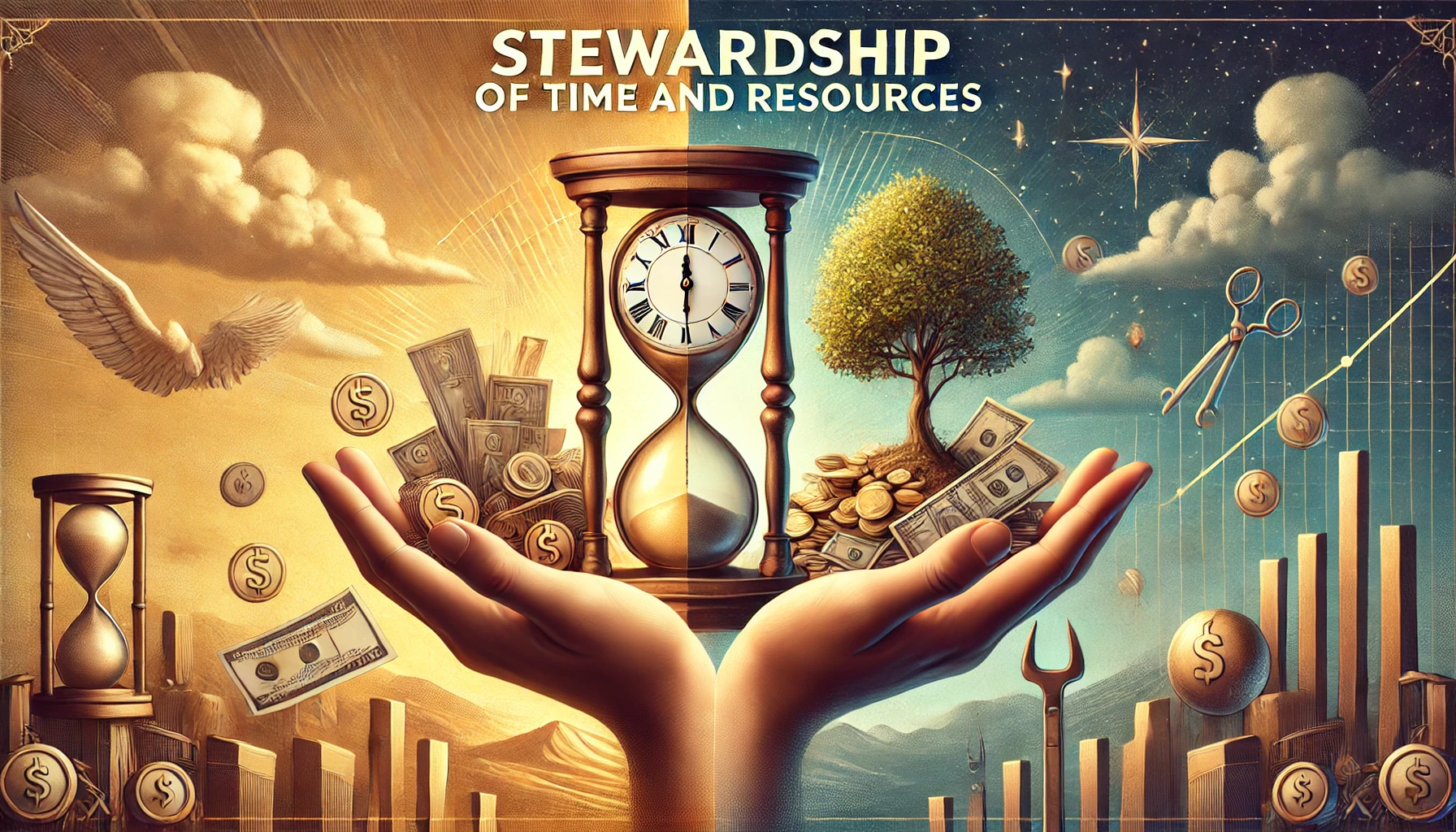
Welcome to Day 19 of our 30-day journey. Today, we will focus on the concept of stewardship, particularly how we manage the time and resources God has entrusted to us. Stewardship goes beyond financial management; it encompasses every aspect of our lives, including how we use our time, talents, and possessions. By being faithful stewards, we honor God and maximize the impact of the resources He has given us. Understanding stewardship helps us live purposefully, ensuring that every decision we make aligns with God’s will.
Revelation:
Stewardship is about recognizing that everything we have—our time, talents, and resources—belongs to God. We are merely caretakers, entrusted with these gifts to use them wisely for His glory. The Bible teaches that to whom much is given, much will be required. Being a good steward means managing our resources responsibly, making the most of every opportunity, and investing our time and energy in things that have eternal value. When we approach life as stewards, we become more intentional in our decisions, ensuring that our actions reflect God’s priorities.
Scripture Reference:
1 Peter 4:10 – “Each of you should use whatever gift you have received to serve others, as faithful stewards of God’s grace in its various forms.”
This verse reminds us that our gifts and resources are meant to serve others and bring glory to God. As stewards, we are called to use what we have been given to advance God’s kingdom, whether through our time, talents, or material possessions. Faithful stewardship is not just about managing resources well but about using them in ways that reflect God’s grace and love to the world.
Direction:
Today, take time to evaluate how you are stewarding the time, talents, and resources God has entrusted to you. Are you using them wisely and for His glory, or are there areas where you could be more intentional? Consider how you can better align your daily activities with God’s purposes, making the most of every opportunity to serve others and advance His kingdom. Ask God to give you the wisdom and discernment to manage your resources in a way that honors Him.
Meditation:
Reflect on the Parable of the Talents in Matthew 25:14-30. In this parable, Jesus tells the story of a master who entrusts his servants with different amounts of money (talents) before going on a journey. The servants who used their talents wisely and multiplied them were praised and rewarded by the master, while the servant who hid his talent out of fear was reprimanded and his talent was taken away.
This parable teaches us about the importance of using the resources God has given us to produce fruit. God expects us to invest our time, talents, and resources in ways that bring a return for His kingdom. As you meditate on this parable, ask yourself: How am I using the talents and resources God has entrusted to me? Am I investing them in ways that advance His kingdom, or am I holding back out of fear or complacency? Consider how you can be more proactive in using your gifts to serve others and glorify God.
Prayer:
“Lord, I thank You for the time, talents, and resources You have entrusted to me. I recognize that everything I have belongs to You, and I want to use these gifts wisely and for Your glory. Help me to be a faithful steward, making the most of every opportunity to serve others and advance Your kingdom. Give me the wisdom and discernment to manage my resources in a way that honors You. May my life be a reflection of Your grace, and may I use what You have given me to bring glory to Your name. In Jesus’ name, Amen.”
Deeper Reflection:
After your prayer, take some time to reflect on specific areas of your life where you can improve your stewardship. Are there talents you’ve been neglecting or resources you’ve been using for selfish purposes? Write down any insights or actions you can take to become a better steward of what God has given you. Consider also how you can involve others in this journey, encouraging your family, friends, or church community to join you in practicing faithful stewardship.
Action Step:
As a practical step, create a stewardship plan that outlines how you will manage your time, talents, and resources more effectively. This plan could include setting specific goals for how you will use your time each day, identifying ways to use your talents in service to others, and creating a budget that reflects your commitment to honoring God with your finances. Share this plan with a trusted friend or mentor who can help hold you accountable and encourage you in your journey.
Closing Thought:
Stewardship is a profound responsibility and privilege. When we manage our time, talents, and resources in a way that honors God, we become effective instruments in His hands, capable of making a lasting impact on the world. As you continue on this journey, remember that you are not the owner of your resources but a steward entrusted by God. Use what you have been given wisely, and trust that God will bless your efforts as you seek to glorify Him in all that you do.
