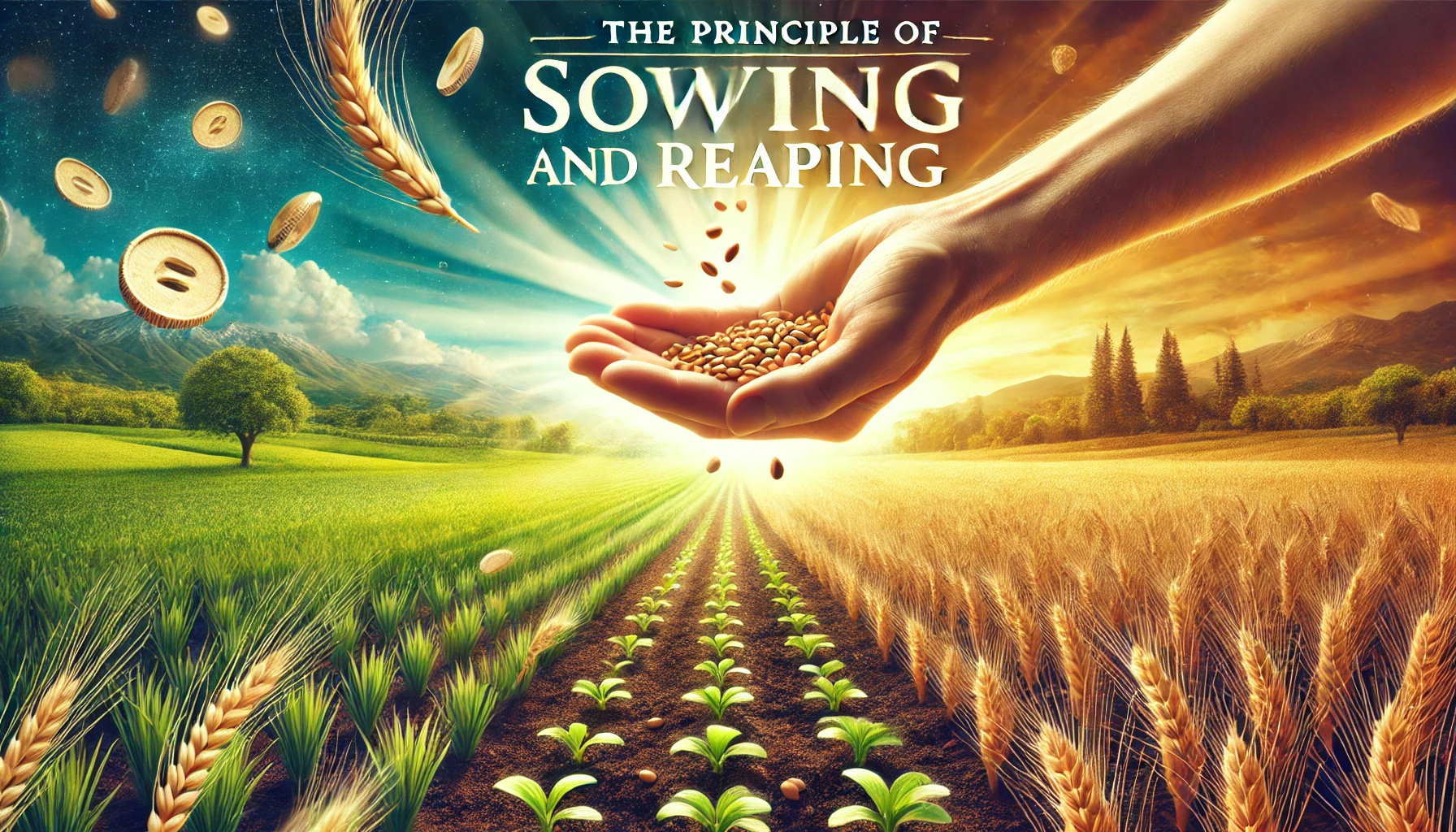
Welcome to Day 24 of our 30-day journey. Today, we will focus on trusting God with long-term investments. Making long-term investments, whether in finances, relationships, or personal growth, requires a significant amount of faith and patience. Often, the results are not immediate, and it can be challenging to wait for the fruit of our efforts to manifest. However, the Bible encourages us to trust God with our investments, believing that He will bring about a harvest in due time. Trusting God with your long-term investments means committing them to Him and believing that He will guide and bless your efforts.
Revelation:
Long-term investments require trust in God’s timing and provision. Whether you are investing in your financial future, your relationships, or your spiritual growth, it’s essential to remember that God is in control. The Bible teaches that those who sow in faith will reap a harvest if they do not give up (Galatians 6:9). This principle applies to every area of life. By committing your long-term investments to God, you acknowledge His sovereignty and invite His blessing over your efforts. Trusting God with these investments means believing that He will work all things together for your good, even when the results are not immediately visible.
Scripture Reference:
Proverbs 16:3 – “Commit to the Lord whatever you do, and he will establish your plans.”
This verse reminds us that when we commit our plans and investments to God, He is faithful to establish them. Trusting God with our long-term investments means placing them in His hands and believing that He will guide us to success. It’s about aligning our efforts with His will and relying on His wisdom and timing rather than our own understanding.
Direction:
Today, reflect on the long-term investments you are making in your life. Are you trusting God with these investments, or are you relying solely on your own strength and wisdom? Consider how you can commit your investments—whether financial, relational, or spiritual—to God, seeking His guidance and trusting in His timing. Remember that God is the ultimate provider, and He is able to bring about a harvest in due time if you remain faithful and patient.
Meditation:
Reflect on the Parable of the Mustard Seed in Matthew 13:31-32. Jesus described the mustard seed as the smallest of all seeds, yet when it grows, it becomes the largest of garden plants, providing shelter and shade for the birds. This parable illustrates the power of small beginnings and the importance of faith in long-term growth. Just as the mustard seed takes time to grow into a large plant, so too do our long-term investments require patience and trust in God’s process.
The mustard seed represents the potential that lies within every investment we make. As you meditate on this parable, ask yourself: What seeds am I planting today that I trust God to grow in the future? How can I nurture these seeds with faith, patience, and prayer? Consider how God might be calling you to trust Him more deeply with the investments you are making, knowing that He is able to bring about a harvest far greater than you can imagine.
Prayer:
“Lord, I thank You for the opportunity to invest in the future, whether it’s through my finances, relationships, or personal growth. I recognize that true success comes from trusting You and committing my efforts to Your will. Help me to trust You with my long-term investments, knowing that You are faithful to establish my plans and bring about a harvest in due time. Give me the patience to wait on Your timing and the wisdom to make decisions that align with Your purposes. May my investments bear fruit for Your glory, and may I always trust in Your provision. In Jesus’ name, Amen.”
Deeper Reflection:
After your prayer, take some time to think about the specific long-term investments you are making. Are there areas where you need to trust God more or where you’ve been relying too much on your own strength? Write down any insights or commitments you want to make regarding your investments. Consider also how you can actively nurture these investments, whether through prayer, seeking godly counsel, or taking practical steps to ensure their growth. Reflect on how trusting God with your investments can lead to a greater sense of peace and confidence in His provision.
Action Step:
As a practical step, identify one long-term investment in your life—be it financial, relational, or spiritual—and commit it to God in prayer. Create a plan for how you will nurture this investment, and set specific goals for its growth. For financial investments, this might involve reviewing your portfolio and making decisions that align with your values and long-term goals. For relational or spiritual investments, consider how you can invest time and effort into fostering growth and deepening your commitment. Remember to regularly revisit and adjust your plans as God leads.
Closing Thought:
Trusting God with your long-term investments is an act of faith that acknowledges His sovereignty and goodness. By committing your efforts to Him, you invite His blessing and guidance, knowing that He will bring about a harvest in due time. As you continue on this journey, remember that God is faithful to establish your plans when they align with His will. Trust in His timing, nurture your investments with patience and prayer, and look forward to the abundant fruit that He will bring forth in your life.